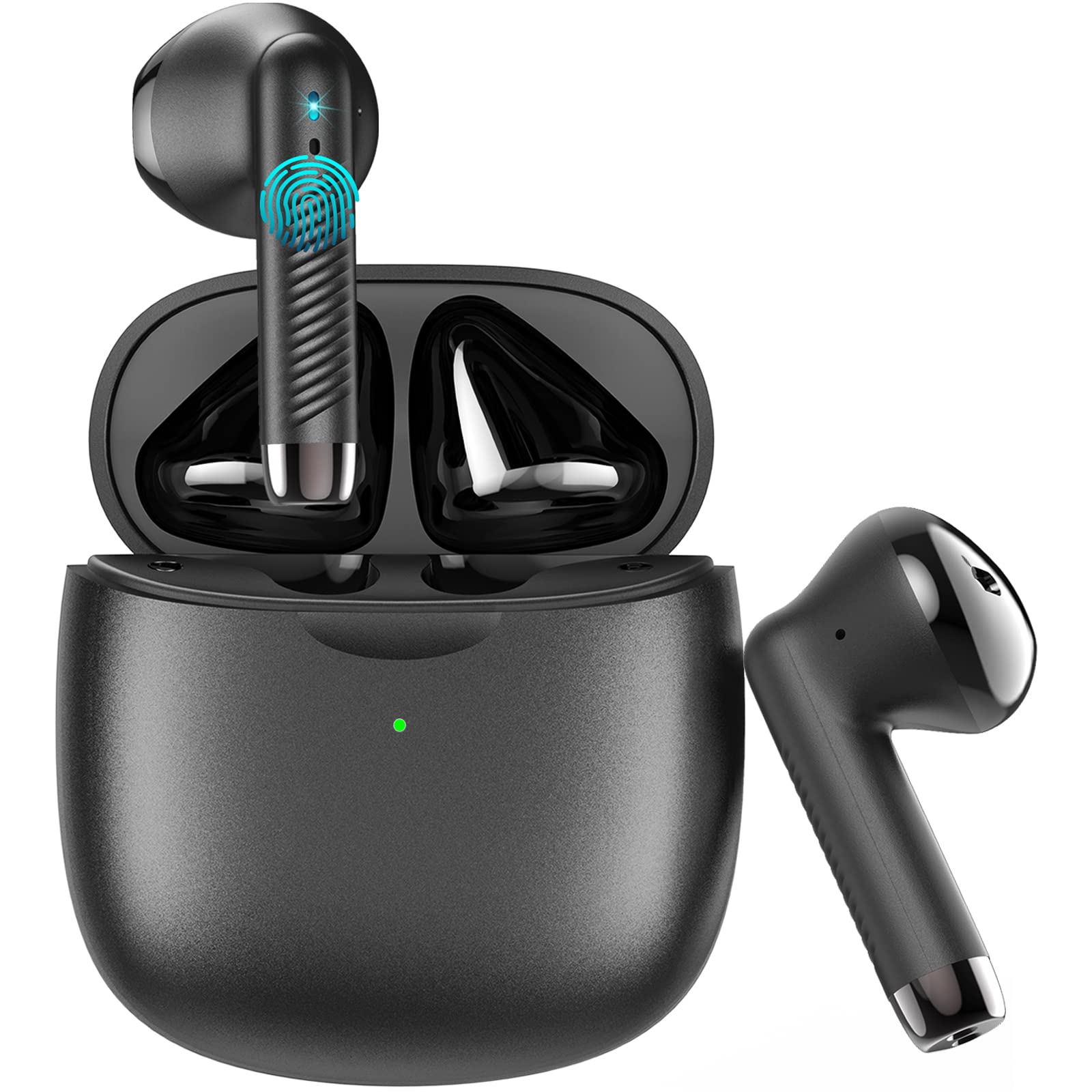
How Bluetooth Technology Revolutionized Personal Connectivity
The advent of Bluetooth technology has significantly transformed how we connect and communicate on a personal level. This wireless technology, first introduced in the late 1990s, has bridged the gap between devices, allowing users to connect their smartphones, tablets, and computers to a variety of peripherals like headphones, speakers, and wearable devices. By eliminating the need for physical cables, Bluetooth provides a seamless user experience that enhances mobility and convenience. As a result, people can now interact with their devices in innovative ways, paving the way for enhanced productivity and entertainment.
In addition to simplifying connectivity, Bluetooth technology has been instrumental in fostering the Internet of Things (IoT), where everyday objects are interconnected. With the rise of smart home devices, users can control their lighting, security systems, and appliances, all from the convenience of their smartphones. This level of connectivity not only boosts efficiency but also contributes to an eco-friendly lifestyle through smarter energy management. As Bluetooth continues to evolve, its impact on personal connectivity will further augment the way we engage with technology in our daily lives.
Counter-Strike is a highly popular multiplayer first-person shooter game that involves teamwork and strategic gameplay. Players join either the terrorist or counter-terrorist side, each with different objectives, and engage in various game modes. For those looking to enhance their gaming experience, it's important to consider options like Top 10 Alternatives to Bluetooth Trackers for better equipment management.
The Evolution of Bluetooth: From its Origins to Modern-Day Applications
Bluetooth technology has come a long way since its inception in the 1990s. Originally developed by Ericsson as a wireless alternative to data cables, Bluetooth was designed to facilitate short-range communication between mobile devices. The first version, Bluetooth 1.0, was released in 1999, allowing for data transfers between devices such as mobile phones and headsets. Over the years, improvements in the technology led to the development of faster data transfer speeds, increased range, and reduced power consumption. With the introduction of Bluetooth Low Energy (BLE) in 2010 as part of the Bluetooth 4.0 specification, the technology became ideal for a broader range of applications, particularly in the growing Internet of Things (IoT) ecosystem.
Today, Bluetooth is ubiquitous, powering a myriad of devices and applications beyond simple audio streaming and file transfers. Modern smartphones, tablets, and smartwatches leverage Bluetooth to connect seamlessly with accessories such as wireless speakers, fitness trackers, and even smart home devices. The data transfer capabilities have evolved to support high-quality audio codecs, enabling clearer sound in various applications. Furthermore, as emerging technologies like augmented reality (AR) and virtual reality (VR) take center stage, Bluetooth continues to play a crucial role in enhancing user experiences by providing reliable and low-latency connections across diverse devices. The evolution of Bluetooth illustrates not only technological advancement but also the increasing demand for wireless connectivity in our everyday lives.
What You Need to Know About Bluetooth Security and Best Practices
As Bluetooth technology becomes increasingly prevalent in our daily lives, understanding Bluetooth security is essential. Bluetooth enables wireless communication between devices, making it convenient for users. However, this convenience comes with risks, including unauthorized access to personal data and potential device control. According to recent studies, many users remain unaware of the security vulnerabilities that accompany Bluetooth-enabled devices, such as man-in-the-middle attacks, eavesdropping, and pairing vulnerabilities. Ensuring the safety of your Bluetooth connections is not just about protecting your own devices; it's about securing the broader network they connect to.
To safeguard your devices, consider adopting these best practices for Bluetooth security:
- Disable Bluetooth when not in use to prevent unauthorized connections.
- Always use strong pairing codes or PINs when connecting devices.
- Regularly update firmware and software for your Bluetooth devices to patch security vulnerabilities.
- Limit device visibility by making your device non-discoverable.
- Be cautious about connecting to unfamiliar devices, especially in public spaces.