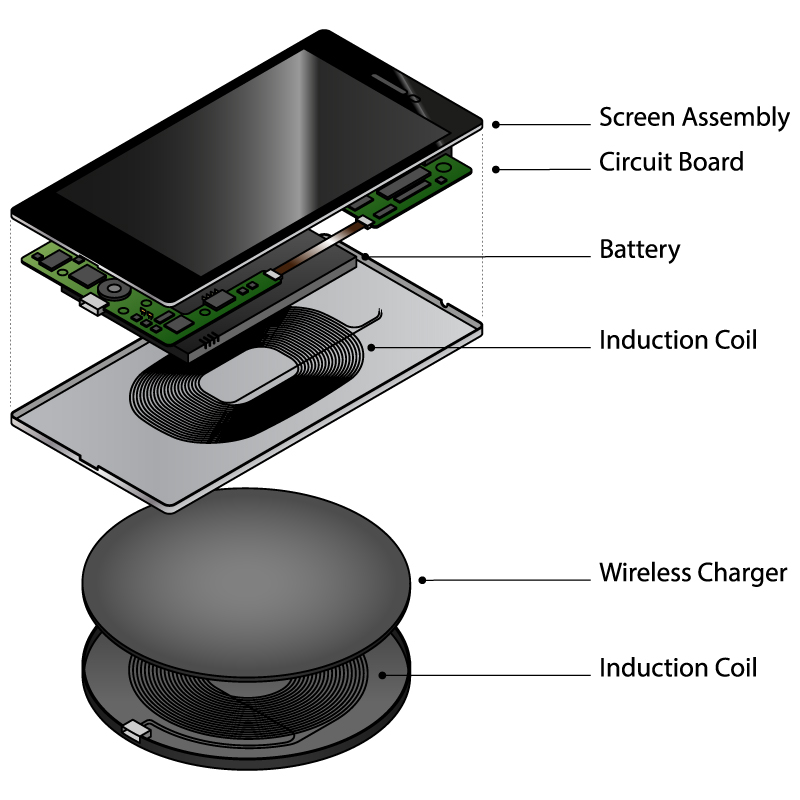
How Wireless Power Works: An Explainer on Charging Without Strings
How wireless power works is a fascinating topic that explores the future of charging devices without the need for traditional cords. At its core, wireless power relies on the principle of electromagnetic induction, where energy is transferred from a power source to a device through an electromagnetic field. This process occurs in a charging pad, which generates an oscillating magnetic field, and a receiver coil located in the device captures this energy. As a result, your phone or tablet can be charged simply by being placed on a compatible charging station, making it a convenient option for users.
Another prominent technique in wireless charging technology is resonant inductive coupling. This method enhances efficiency for charging over longer distances compared to standard inductive charging, while supporting multiple devices simultaneously. Furthermore, with advancements like Qi standard and innovations from companies like Apple and Samsung, wireless power is becoming increasingly mainstream. As we embrace a world of minimalistic design and convenience, the evolution of charging technologies promises to redefine how we power our everyday devices.
Counter-Strike is a popular tactical first-person shooter game that pits teams of terrorists against counter-terrorists in various objective-based missions. The game's competitive nature has led to a thriving esports scene, with players demonstrating exceptional skill and strategy. For gamers looking to enhance their setups, exploring the Top 10 Wireless Charging Stands can provide convenient solutions for keeping devices powered during intense gaming sessions.
The Benefits of Wireless Charging: Convenience Meets Innovation
The advent of wireless charging has revolutionized the way we power our devices, offering unparalleled convenience in today's fast-paced world. With no more fumbling with tangled cords, users can simply place their devices on a compatible charging pad and enjoy a hassle-free experience. This seamless integration of technology not only enhances user satisfaction but also reduces wear and tear on charging ports and cables, leading to longer device lifespans. Furthermore, many wireless chargers are designed to be aesthetically pleasing, serving as a stylish addition to your workspace or bedside table.
In addition to convenience, wireless charging promotes innovation within the tech industry. As more manufacturers adopt this technology, we are witnessing the rise of multi-device charging stations that power smartphones, smartwatches, and even wireless earbuds simultaneously. This trend not only streamlines our charging routines but also contributes to a more organized and clutter-free environment. As the technology continues to improve, we can expect faster charging speeds and broader compatibility across various devices, making wireless charging an essential feature for tech-savvy consumers.
Is Wireless Power the Future? Debunking Myths and Exploring Possibilities
The concept of wireless power has captivated tech enthusiasts and researchers alike, sparking debates about its feasibility and potential impact on the future of energy consumption. While many envision a world where devices charge seamlessly without cords, myths surrounding this technology often cloud public perception. For instance, one prevalent myth is that wireless power transmission is inefficient and wasteful. In reality, advancements in resonant inductive coupling and microwave transmission have demonstrated that, when optimized, wireless power can achieve efficiency rates comparable to traditional charging methods. By understanding these capabilities, we can better appreciate the profound implications this technology may have on our daily lives.
As we delve deeper into the possibilities of wired power technology, it becomes evident that its applications extend far beyond just charging smartphones. Consider how it could revolutionize the infrastructure in our homes and cities: from eliminating the clutter of charging cables in our living spaces to powering electric vehicles on the go through embedded road systems. Furthermore, industries such as healthcare could benefit immensely, with wireless power enabling critical devices to function seamlessly without the risk of tripping hazards or battery failures. As we debunk these myths and explore the potential of wireless power, it becomes clear that this innovative technology may indeed play a crucial role in shaping the future of energy utilization.