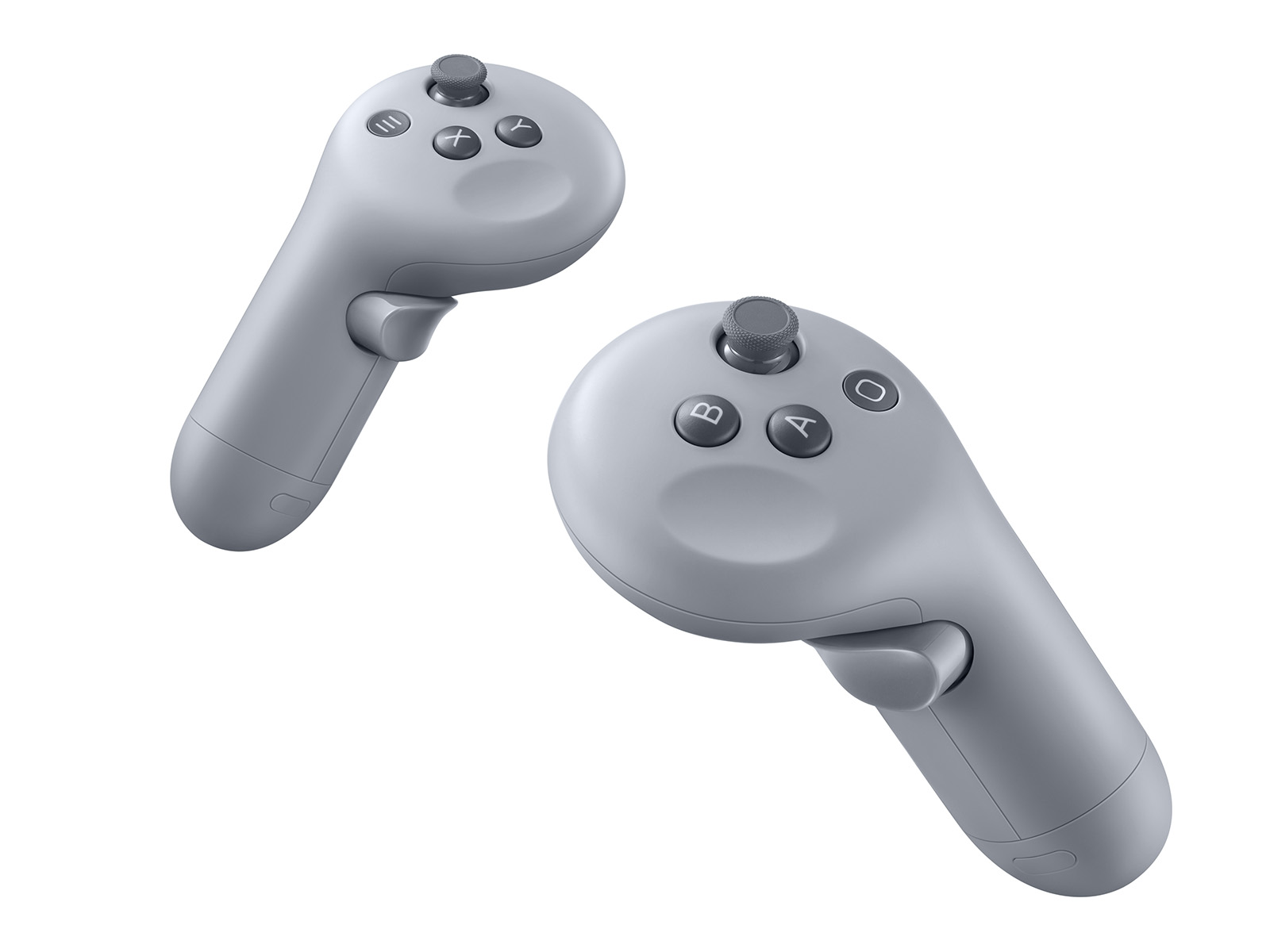
Unveiling the Mysteries: How Game Controllers Interact with Your Console
Game controllers are more than just peripherals; they serve as the primary interface between you and your gaming experience. When you connect a game controller to your console, several complex processes occur seamlessly in the background. The controller captures your inputs through various buttons, triggers, and sticks, which are then translated into commands that the console understands. This interaction is made possible through a combination of wired or wireless technology, with modern controllers employing Bluetooth to wirelessly communicate with your console, ensuring minimal lag and maximum responsiveness.
Understanding how your game controller interacts with your console can enhance not only your gaming experience but also your troubleshooting skills. For instance, if you're experiencing connectivity issues, first ensure that your console firmware is up to date, as software updates can greatly influence controller performance. Additionally, you might want to check the controller's battery levels if it's a wireless setup. By layering these insights, gamers can further appreciate the intricate technology that makes their favorite consoles and games so engaging.
Counter-Strike is a highly popular first-person shooter game that emphasizes teamwork and strategy. Players can choose to play as terrorists or counter-terrorists, engaging in various missions, including bomb defusal and hostage rescue. For those who enjoy gaming on mobile devices, check out the Top 10 iPhone accessories for gaming to enhance your gaming experience.
The Hidden Features of Game Controllers: What You Didn't Know
Game controllers are often perceived as simple devices, primarily designed for input during gaming sessions. However, they harbor a plethora of hidden features that can enhance your gaming experience. For instance, did you know that many modern controllers come with built-in motion sensors? This technology allows players to navigate their gaming environment by tilting or moving the controller, bringing a new level of immersion to gameplay. Additionally, some controllers offer customizable buttons and thumbsticks, enabling gamers to tailor their setups according to their preferences, optimizing performance in competitive scenarios.
Moreover, vibration feedback is another underrated feature of game controllers that significantly impacts gaming immersion. This technology simulates in-game events by providing tactile feedback, making your gameplay feel more realistic. Some controllers also include programmable macros, allowing users to create complex sequences of actions with a single button press, which can be pivotal in fast-paced games. Lastly, a growing number of controllers feature compatibility with multiple platforms, making them versatile tools that can transition seamlessly between PC, console, and even mobile gaming, catering to the diverse needs of gamers across the board.
Do Controllers Have a Personality? Exploring the Unique Lives of Gaming Devices
When we think about gaming, the focus often falls on the characters we control or the stories we immerse ourselves in. However, it is equally intriguing to ponder if controllers have their own distinct personalities. Each game controller, whether it be a classic joystick or a modern gamepad, carries with it a unique design, feel, and functionality that can evoke different emotions and experiences in players. For instance, consider the nostalgic pull of an original NES controller versus the intricacies of a PlayStation DualSense. These devices do more than simply relay commands; they infuse personality into the game experience, shaping how we engage with virtual worlds.
Furthermore, the unique lives of gaming devices extend beyond their physical attributes. Players often form attachments to their controllers, attributing characteristics to them based on their performance and reliability. A well-worn controller that has seen countless hours of gameplay can feel like an old friend, while a new, sleek model may represent fresh opportunities and new adventures. As gaming technology evolves, the personalities of controllers may morph as well, adapting to cooler designs and enhanced functionalities that resonate with diverse gaming styles. Thus, exploring these relationships highlights not just the aesthetics of the devices but also the rich emotional tapestry they weave in our gaming journeys.