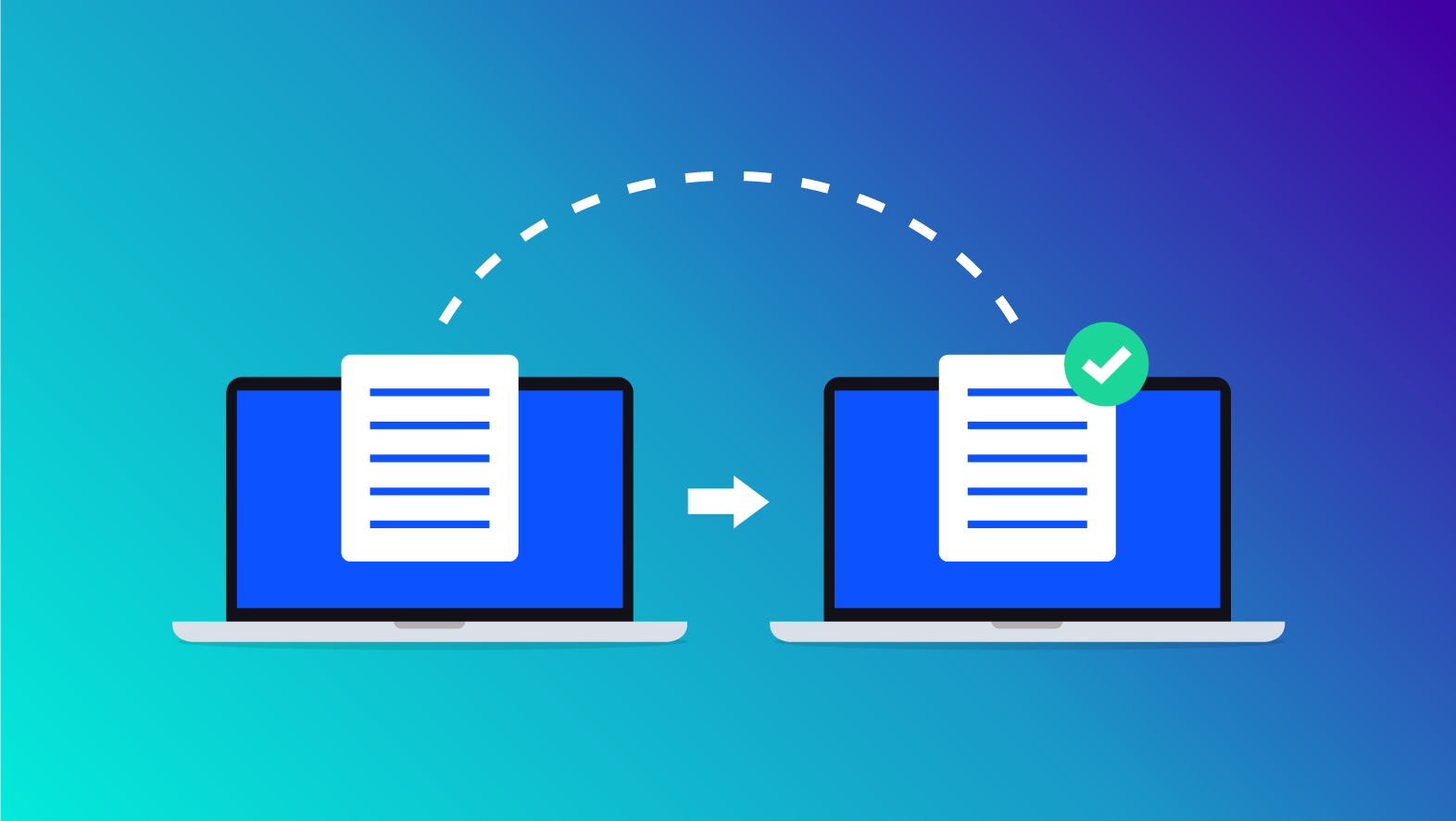
Top 5 Tips for Seamless Data Transfers: Avoiding Common Pitfalls
When it comes to seamless data transfers, understanding the common pitfalls can save you a lot of time and frustration. Here are the top 5 tips you should keep in mind:
- Plan Your Data Structure: Before initiating a transfer, ensure that your data is organized and structured properly. This will greatly reduce the risk of data loss and errors during the transfer process.
- Utilize Reliable Tools: Choose data transfer tools that are tested and known for their reliability. Using unknown or untrusted tools can lead to corrupted data or incomplete transfers.
- Test the Transfer: Always conduct a test run with a small dataset before transferring larger pieces of information. This helps identify any issues early on.
- Monitor the Transfer: Keep an eye on the transfer process. Monitoring helps catch any problems in real-time, allowing for immediate troubleshooting.
- Backup Your Data: Never forget to back up your data before initiating any transfer. This precaution ensures that you can restore your information in case anything goes wrong.
Counter-Strike is a widely popular tactical first-person shooter game that has defined the esports landscape. Players compete in various modes, typically split into two teams: terrorists and counter-terrorists, each with distinct objectives. For players looking to enhance their gaming experience, check out the Top 10 Long Charging Cables to keep your devices powered during long gaming sessions.
Data Migration 101: A Beginner's Guide to Smooth Transitions
Data migration is a critical process for businesses looking to upgrade their systems, enhance performance, or comply with new regulations. At its core, data migration involves transferring data between storage systems, formats, or applications, which can occur either during a system upgrade or as part of a cloud transition. To ensure a smooth transition, it's essential to plan meticulously. Start by conducting a thorough data audit to identify what data needs to be migrated, who will be involved, and the overall timeline. Implementing a detailed migration strategy can significantly minimize risks related to data loss and downtime.
Once you have your strategy in place, consider these important steps for successful data migration:
- Choose the right tools: Depending on your needs, select migration tools that offer compatibility, data integrity checks, and ease of use.
- Test rigorously: Before executing the full migration, perform a pilot test to identify potential issues, ensuring that the system functions as expected.
- Monitor the process: Keep an eye on the migration process in real-time, making adjustments as needed to address any unexpected challenges that arise.
What to Consider Before Transferring Your Data: Essential Questions Answered
Transferring your data can be a daunting task, and it's essential to approach it with careful consideration. Before initiating the transfer, ask yourself the following questions: What type of data am I transferring? Understanding the nature of your data, be it personal files, business documents, or sensitive information, is critical. Additionally, where will the data be transferred to? This could range from cloud storage solutions to physical drives, and the security measures in place at the destination are paramount.
Another important aspect to consider is how secure is the transfer process? Ensure that you are using encryption methods and secure protocols to protect your data during transit. Moreover, it's wise to contemplate what backup options are available once the transfer is complete. Having a reliable backup plan can safeguard against data loss in case of unforeseen issues. Lastly, make sure to review any legal implications regarding data transfers, especially if sensitive information is involved, to ensure compliance with regulations such as GDPR or HIPAA.