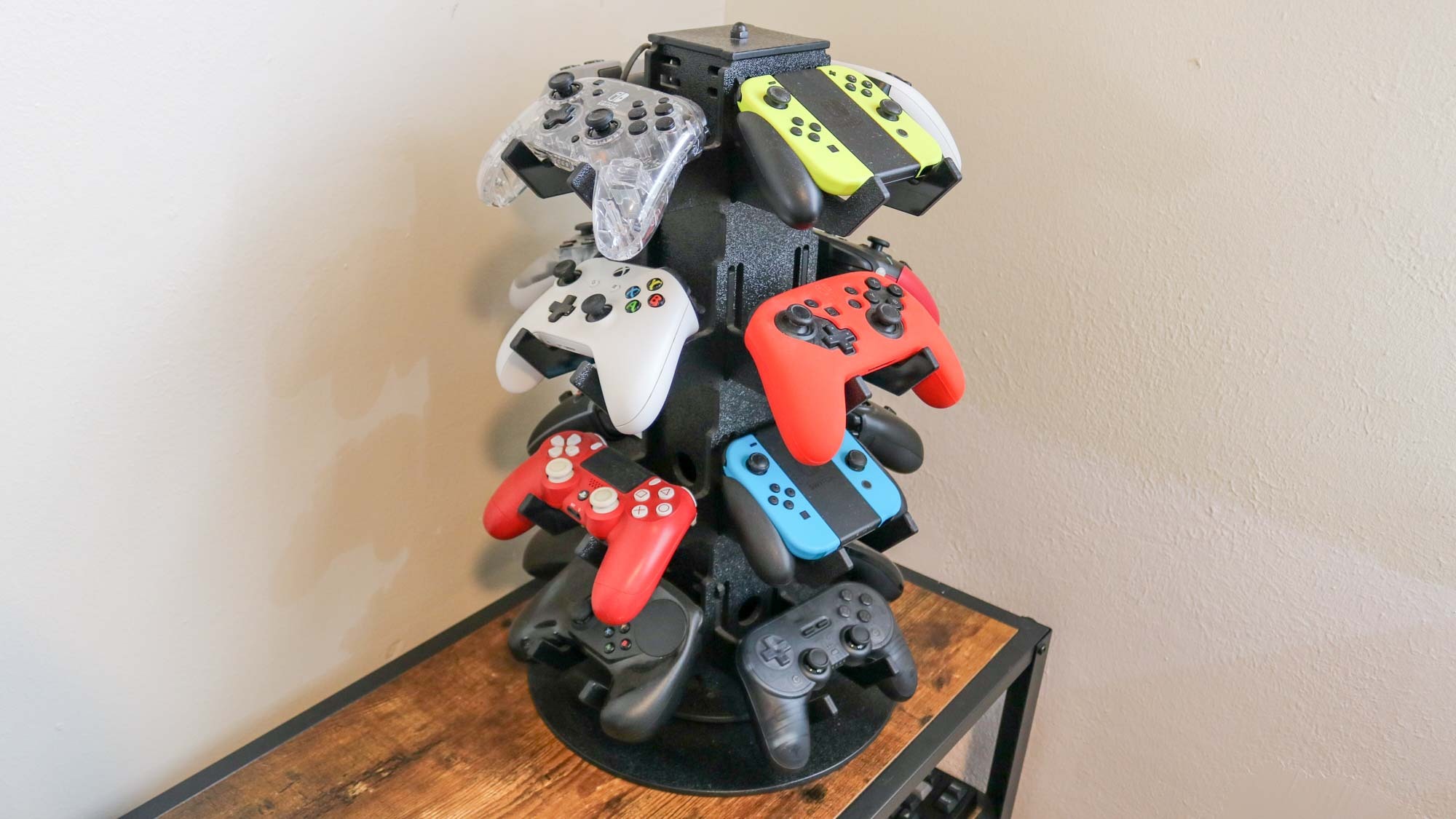
The Evolution of Game Controllers: How They Shape Player Experience
The journey of game controllers has been nothing short of revolutionary, evolving from simplistic designs into highly sophisticated devices that significantly enhance the player experience. Initially, controllers featured basic buttons and joysticks, which provided limited interaction and control. However, as technology advanced, so did the complexity and functionality of these peripherals. For instance, the introduction of the analog stick offered a new dimension of precision, allowing players to navigate 3D environments seamlessly. Today, advanced features such as motion sensors, haptic feedback, and customizable layouts have transformed game controllers into essential tools that cater to a wide range of gaming experiences.
The impact of this evolution on player experience cannot be overstated. With the rise of eSports and competitive gaming, the demand for high-performance game controllers has surged. Players are no longer just looking for functionality; they seek responsiveness, comfort, and personalization. Features like programmable buttons and ergonomic designs allow players to optimize their gameplay strategies. Moreover, the integration of wireless technology and multi-platform compatibility has enhanced accessibility, making it easier for players to connect and compete across different gaming systems. As we look to the future, we can expect further innovations that will continue to refine game controllers and reshape how we interact with games.
Counter-Strike is a highly popular first-person shooter game that emphasizes teamwork and strategy. Players can choose to fight as terrorists or counter-terrorists in various rounds, making for an engaging and competitive experience. To enhance your gaming experience, check out the Top 10 iPhone accessories for gaming. The game's dynamic map designs and realistic gameplay mechanics have solidified its status as a staple in the esports community.
Touch, Motion, and Beyond: The Future of Interactive Controllers
As technology evolves, interactive controllers are becoming increasingly sophisticated, paving the way for more immersive user experiences. The future of these devices is set to transcend traditional touch and motion inputs, integrating advanced features like gesture recognition and brain-computer interfaces. Imagine a world where users can seamlessly control their devices with mere thoughts or subtle movements, enhancing not only gaming but also productivity and accessibility in everyday life.
In addition to gesture recognition, developers are exploring the potential of haptic feedback to simulate real-world sensations, making interactions feel more intuitive. With innovations in augmented reality (AR) and virtual reality (VR)360-degree motion tracking and adaptive resistance will usher in a new era where users can engage in unprecedented ways, taking gaming, education, and training simulations to levels never seen before.
Are Traditional Controllers Becoming Obsolete in the Age of VR?
As virtual reality (VR) technology continues to evolve, the debate surrounding the relevance of traditional controllers is growing ever more prominent. With the immersive experience that VR offers, many gamers and developers are beginning to question whether traditional controllers can keep up with the innovative input methods provided by VR headsets and motion tracking systems. Unlike their classic counterparts, which rely heavily on thumbsticks and buttons, VR systems utilize motion sensors and hand tracking to create a more engaging and lifelike gaming experience. This shift raises concerns about the potential obsolescence of controllers that have dominated the gaming landscape for decades.
However, it's crucial to recognize that while VR provides unique experiences, traditional controllers still hold significant advantages in certain gaming scenarios. For instance, genres like fighting games or fast-paced shooters often require precise timing and control, which can be challenging to achieve with VR input systems. Additionally, traditional controllers tend to be more accessible for a broader audience, as not everyone has the space or comfort level for full VR setups. As the gaming industry progresses, it is likely that we will see a hybrid approach, where both traditional controllers and VR technology co-exist, catering to diverse gaming preferences and enhancing the overall player experience.