Understanding Spatial Audio: How It Transforms Your Listening Experience
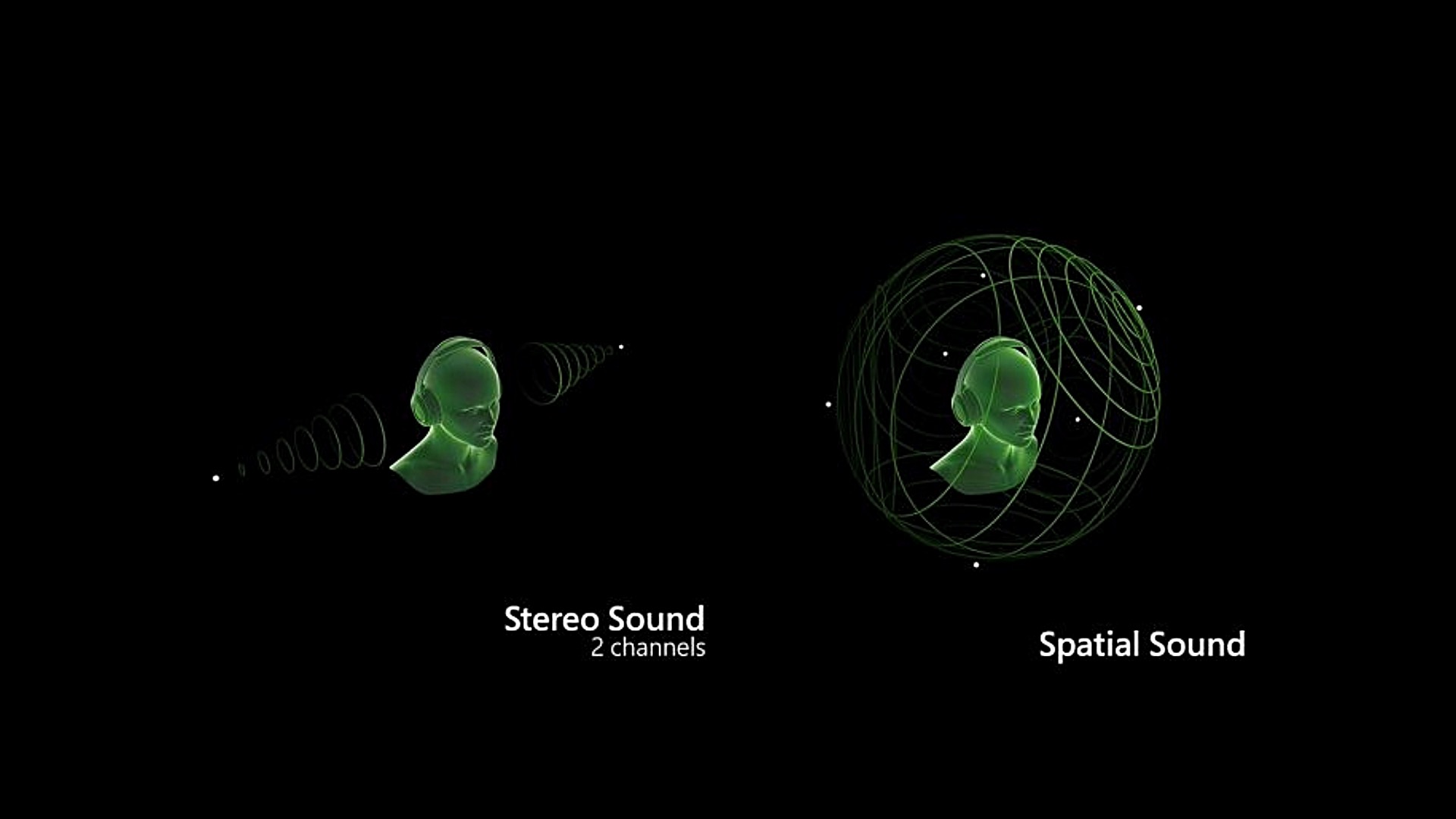
Understanding Spatial Audio is essential in today's audio landscape, where immersive experiences are becoming the norm. Unlike traditional stereo sound, spatial audio uses advanced technologies to create a three-dimensional sound environment. This means that sounds can come from above, below, or around you, providing a more realistic listening experience. Whether you are enjoying a music album, a podcast, or a movie, spatial audio engages your senses in a way that standard audio formats simply cannot. By simulating the natural way that we perceive sound in the real world, it transforms every listening session into an immersive adventure.
As spatial audio technology continues to evolve, its impact on various media is profound. For instance, in gaming, it can enhance the sense of presence and realism, making players feel like they are truly part of the action. Similarly, when used in virtual reality (VR) environments, spatial audio creates an authentic atmosphere, allowing users to navigate and interact more intuitively. To fully appreciate the magic of spatial audio, consider the following key benefits:
- Immersive Experience: You feel surrounded by sound.
- Enhanced Storytelling: Engages emotions through sound placement.
- Improved Clarity: Distinguishes sounds better in complex environments.
If you're looking to elevate your listening experience, check out the Top 10 spatial audio headphones that provide immersive sound quality and an engaging audio environment. These headphones are designed to deliver a rich, three-dimensional listening experience, perfect for music enthusiasts and gamers alike.
The Science Behind Spatial Audio: Why Your Ears Deserve More
Spatial audio is revolutionizing how we experience sound by creating an immersive auditory environment that simulates real-world acoustics. Unlike traditional stereo sound, which confines audio to two channels, spatial audio utilizes advanced algorithms and technologies to position sounds in a three-dimensional space, making it feel as though the sounds are coming from all around you. This innovative approach engages your auditory senses and enhances your overall listening experience. With the rise of platforms that support spatial audio, such as Apple Music and Dolby Atmos, it’s becoming increasingly clear that our ears deserve more than just basic audio.
At the heart of spatial audio technology lies the understanding of how humans perceive sound directionality and distance. The brain utilizes subtle cues, like the timing and volume differences of sounds entering each ear, to determine where a sound originates. By mimicking these natural processes through advanced sound processing techniques, spatial audio can create a more realistic and engaging soundscape. Whether you're watching a movie, playing a video game, or simply enjoying your favorite music, embracing spatial audio can elevate your auditory experience and bring a new dimension to how we enjoy sound, proving that indeed, your ears deserve more.
Is Spatial Audio Worth It? Discover the Benefits for Music and Movies
When it comes to the evolution of sound technology, spatial audio has emerged as a game-changer, particularly for music and movie enthusiasts. This cutting-edge audio technology creates an immersive listening environment, allowing sounds to envelop the listener from all directions. Unlike traditional stereo sound that has limited dimensions, spatial audio enhances auditory experiences by simulating a three-dimensional soundscape, making you feel as though you are in the middle of the action. Whether you're enjoying the latest blockbuster or diving into a meticulously produced album, the depth and richness provided by spatial audio can significantly elevate your experience.
One of the notable benefits of spatial audio is its ability to provide greater clarity and separation of sounds. For instance, when watching movies, dialogue becomes crisper, and background scores are more distinguishable, allowing you to appreciate the intricacies of sound design. Moreover, many streaming services and music platforms are beginning to offer content optimized for spatial audio, ensuring that you have access to an ever-growing library of immersive experiences. So, the question remains: Is spatial audio worth it? If you value high-quality sound and a more engaging listening experience, the answer is a resounding yes.