Exploring the Best Listening Positions for Optimal Surround Sound
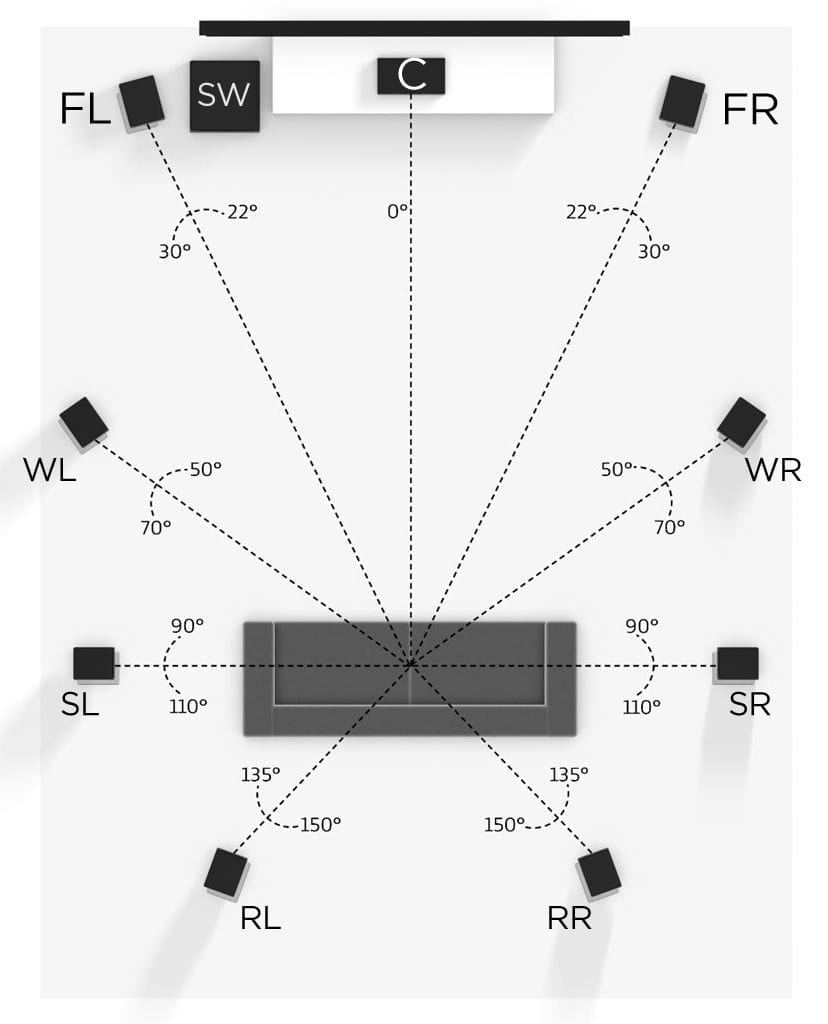
When it comes to optimal surround sound performance, understanding the best listening positions can greatly enhance your audio experience. The typical setup for a surround sound system includes multiple speakers strategically placed around the listener. To achieve the best results, aim to position your main seating area at the center of the speaker array, typically forming an equilateral triangle with the front left and right speakers. Ensure that the distance between your seating and the speakers is equal to maintain balance across all channels.
Additionally, consider the height and tilt of your speakers for a fully immersive experience. According to industry standards, the front speakers should be positioned at ear level, while the rear speakers can be placed slightly higher. Implementing a surround sound calibration system can also assist in optimizing the audio, allowing you to fine-tune speaker levels and positioning based on your specific room conditions. By meticulously arranging your seating and speaker layout, you can create a captivating audio environment that transports you into the heart of the action.
If you're looking to elevate your gaming experience, choosing the right gear is crucial. The Top 10 gaming headphones on the market offer a combination of comfort, sound quality, and durability that can enhance your immersive gameplay. Whether you’re into competitive gaming or casual play, these headphones cater to various needs and preferences.
How Room Acoustics Affect Your Surround Sound Experience
When it comes to enjoying your surround sound experience, room acoustics play a crucial role that is often overlooked. The way sound travels and interacts within a space can significantly impact the quality of audio you perceive. Factors such as the size of the room, its shape, and the materials used in the construction can lead to sound reflections, absorption, and diffraction. For instance, a room with hard surfaces like tile and glass will create echoes, while softer materials like carpets and curtains can help to absorb sound waves, leading to a more balanced audio experience.
In addition, the placement of your speakers within the room can further influence how room acoustics affect your surround sound setup. It's important to consider the listening position and how sound will bounce off walls and furniture. To optimize your setup, use various techniques such as sound panels to control reflections, or place bookshelves to diffuse sound waves. Understanding these elements will not only enhance your audio experience but also allow you to enjoy movies and music as they were intended to be heard.
What Factors Should You Consider When Setting Up Surround Sound?
When setting up your surround sound system, the first factor to consider is the room layout. The size and shape of the room play a crucial role in sound distribution. For instance, in a rectangular room, placing speakers at equal distances from listening positions can provide a balanced audio experience. Additionally, consider the acoustic properties of the room; hard surfaces can reflect sound and cause echoes, while carpets and curtains can absorb sound, affecting overall quality. To optimize sound, utilize room correction technology if available.
Another important aspect is the speaker placement. Properly positioning the speakers can make a significant difference in achieving immersive sound. Typically, the front speakers should be placed at ear level, while the subwoofer can be positioned in a corner or along a wall to enhance bass response. Be mindful of the angle at which the speakers are directed; they should ideally point towards the listening area for the best clarity. Consider an in-wall or ceiling speaker installation if space is limited, as this can help maintain a clean aesthetic while maximizing sound performance.