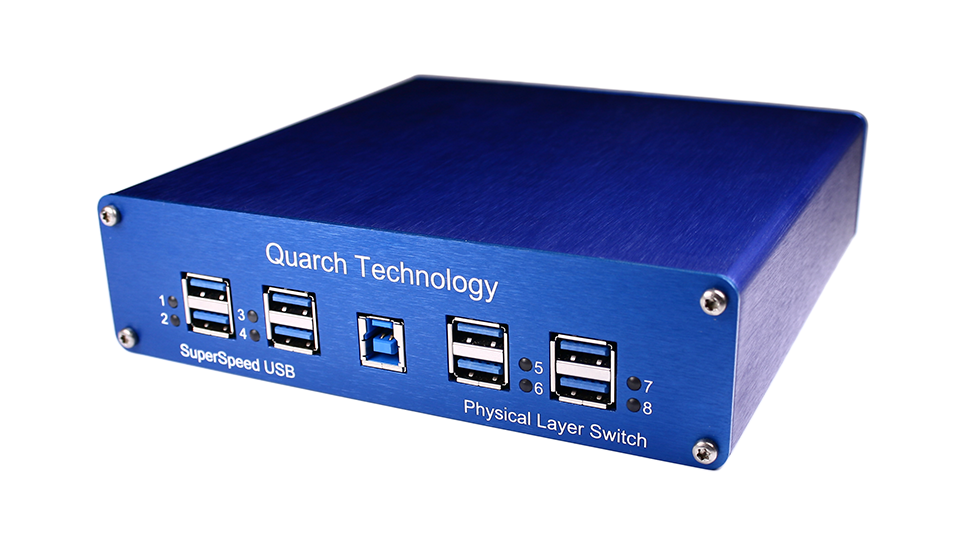
The Ultimate Guide to USB Switches: Simplifying Multiple Device Connections
In today's digital age, managing multiple devices simultaneously can be a daunting task. This is where USB switches come into play, offering a simple and effective solution to streamline your connectivity. A USB switch allows you to connect several devices to a single USB port, enabling you to switch between them effortlessly without the hassle of plugging and unplugging cables constantly. Whether you're a gamer, a content creator, or a casual user, leveraging a USB switch can enhance your productivity by simplifying your device connections.
When considering the best USB switches for your needs, there are a few key factors to keep in mind:
- Number of Ports: Ensure the switch has enough ports to accommodate all your devices.
- Switching Mechanism: Look for options that offer easy switching methods, whether it's a physical button or software-controlled.
- Compatibility: Verify that the switch is compatible with your devices, including printers, cameras, and external drives.
By choosing the right USB switch, you can significantly improve your workspace efficiency and enjoy seamless transitions between your devices.
If you're looking to manage multiple USB devices efficiently, check out the Top 10 USB Switch Selectors. These devices allow you to easily switch between connections, making them ideal for anyone who needs to share peripherals like printers or external drives among different computers. With user-friendly designs and reliable performance, these switch selectors streamline your workspace and enhance productivity.
5 Ways a USB Switch Can Transform Your Workspace Efficiency
In today's fast-paced work environment, maximizing productivity is essential, and a USB switch can be a game-changer. Here are five ways that implementing a USB switch can transform your workspace efficiency:
- Streamlined Device Management: A USB switch allows you to effortlessly connect multiple devices to a single computer, eliminating the hassle of constantly unplugging and replugging peripherals.
- Enhanced Collaboration: With a USB switch, team members can easily share devices like printers or external hard drives without needing to set them up on every individual computer.
- Improved Workspace Organization: By reducing cable clutter and centralizing control of connected devices, a USB switch can help create a cleaner and more organized workspace.
- Time Efficiency: Switching between devices becomes almost instantaneous with a USB switch, saving valuable time during critical work tasks.
- Cost-Effective Solution: Instead of investing in multiple devices for each workstation, a USB switch allows you to allocate resources effectively, making it a budget-friendly option for organizations.
Is a USB Switch Right for You? Key Questions to Consider
When considering if a USB switch is right for you, it’s important to evaluate your specific needs and the devices you plan to connect. Ask yourself: How many USB devices do I need to switch between? A USB switch can efficiently manage multiple devices, allowing you to share peripherals such as printers, keyboards, and external drives without the hassle of constant plugging and unplugging. If you often switch between two or more computers, particularly in a home office or shared workspace, a USB switch could save you time and streamline your setup.
Another key question to ponder is what type of USB switch best suits your needs. There are various models available, including those with automatic switching or manual buttons, and some may support different USB versions like USB 2.0 or USB 3.0 for faster data transfer. Consider your budget as well; while some affordable options perform adequately, investing in a higher-quality switch can lead to better reliability and longevity. Ultimately, determining whether a USB switch is right for you boils down to the balance of convenience, functionality, and your specific tech environment.