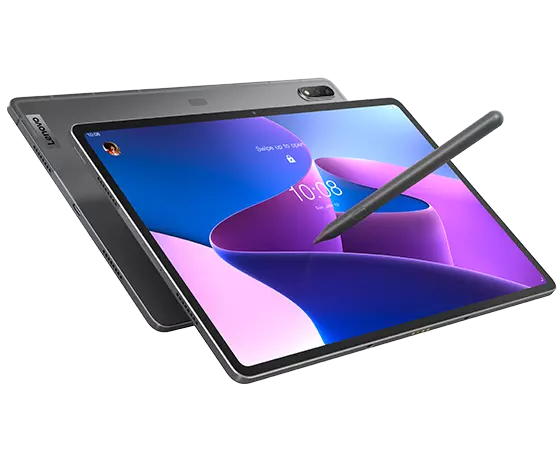
The Untold History of Tablets: From Early Concepts to Modern Marvels
The history of tablets is a fascinating journey that spans decades, beginning with early concepts that laid the groundwork for modern devices. The tablet as a form factor can be traced back to the 1960s when innovators like Alan Kay introduced the concept of the "Dynabook," a portable computer that aimed to provide personal computing efficiency. While these initial visions were more theoretical, they ignited the imagination of engineers and designers alike, leading to significant developments in technology. Fast forward to the 1990s, and we saw the birth of the first commercial tablets, such as the GRIDPad and the Microsoft Tablet PC. These devices, albeit clunky and limited compared to today's standards, established the foundations for what a tablet could be.
As we entered the 21st century, advances in technology set the stage for the explosion of the tablet market. In 2010, Apple's iPad launched, revolutionizing the concept of the tablet as a mainstream device. Its sleek design, intuitive interface, and robust ecosystem paved the way for countless others to follow. Today, tablets are not only tools for entertainment but also essential devices for education and business. With an array of features such as touchscreens, advanced processors, and compatibility with various applications, modern tablets exemplify how far we have come since the early conceptual days. This evolution of the tablet is a testament to human innovation and the relentless pursuit of enhancing productivity and connectivity.
Counter-Strike is a popular tactical first-person shooter game that has gained a massive following since its release. Players are divided into two teams, terrorists and counter-terrorists, who compete in various objectives. For those looking to protect their gaming devices while playing, check out the Top 10 Tablet Screen Protectors to ensure your screen stays safe during intense gaming sessions.
How Tablets Revolutionized Communication and Entertainment
The advent of tablets has significantly transformed the way we communicate and consume entertainment. No longer confined to traditional desktops and laptops, tablets provide a portable solution that fits seamlessly into our daily lives. With user-friendly interfaces and a plethora of applications, tablets have made it easier than ever to stay connected with friends, family, and colleagues. From instant messaging apps to video calling platforms, the versatility of tablets has allowed for quicker and more convenient communication, breaking down geographical barriers and making interactions as simple as a swipe.
In addition to enhancing communication, tablets have also revolutionized the entertainment industry. With the ability to stream movies, podcasts, and music on-the-go, they have become a primary source of entertainment for millions. The integration of high-resolution screens and advanced audio technology in tablets enhances the overall viewing experience, making it more immersive. Furthermore, the rise of mobile gaming on tablets has created a new market for developers, leading to a surge of innovative games that cater to all ages. This evolution signifies a shift in how we engage with media, allowing users to experience their favorite content anytime, anywhere.
What’s Next in Tablet Technology: Trends and Innovations to Watch
The future of tablet technology is poised for exciting advancements that promise to enhance user experience and productivity. Key trends to watch include the integration of foldable screens, which allow for more compact designs while maximizing display size. Manufacturers like Samsung and Huawei are already experimenting with this innovation, paving the way for versatile tablet devices that can easily fit into pockets and bags. Additionally, with the rise of 5G connectivity, tablets will offer faster download speeds and improved streaming capabilities, allowing users to seamlessly access high-definition content on the go.
Another significant trend is the incorporation of artificial intelligence (AI)battery technology are set to provide longer-lasting power, ensuring that users can enjoy high-performance tablets without the constant worry of recharging. As these trends develop, consumers can expect a new wave of tablet innovations that align with their demands for increased functionality and convenience.