What Makes Usability the Key to Enhancing User Experience?
Usability is a fundamental aspect of web design that directly influences user experience. When a website is easy to navigate, intuitive, and aesthetically pleasing, users are more likely to engage effectively with the content. This engagement can lead to increased satisfaction, higher conversion rates, and improved brand loyalty. Key usability principles include clarity, consistency, and feedback. For example, clear navigation menus and well-labeled clickable elements help users find information quickly, while consistent design improves familiarity and reduces cognitive load.
Moreover, usability enhances accessibility, allowing a wider range of users to interact with a website. This is particularly crucial in today’s digital landscape, where user diversity is expansive. Incorporating features such as responsive design, legible fonts, and alternative text for images can ensure that all users, including those with disabilities, can experience the site fully. By prioritizing usability, businesses can create a more inclusive environment, ultimately leading to an enriched user experience that not only satisfies existing users but also attracts new ones.
Counter-Strike is a popular multiplayer first-person shooter game where teams of terrorists and counter-terrorists compete in various objective-based missions. As players progress, they can improve their skills and communication, making teamwork crucial for success. For those looking to enhance their gaming experience, check out the Top 10 iPhone Accessories for Seniors that can help improve performance and usability.
5 Usability Principles That Can Transform Your Digital Products
In the competitive landscape of digital products, usability has emerged as a crucial factor for success. By adhering to essential usability principles, developers can significantly enhance user experience and satisfaction. Here are five usability principles that can transform your digital products:
- Consistency: Ensure that your interface elements behave the same way throughout your application. This not only aids navigation but also builds user confidence.
- Feedback: Provide timely and clear feedback for user actions. When users engage with your product, they need to understand the consequences of their actions.
- Accessibility: Design for inclusivity by making your product accessible to users with disabilities. This enhances usability for a broader audience and demonstrates social responsibility.
- Simplicity: Streamline your design to avoid overwhelming users with unnecessary features. A simple, clean interface allows users to focus on their tasks without distractions.
- User Control: Allow users to feel in charge of their navigation and actions. Providing options and the ability to undo actions can significantly improve their experience.
How to Measure Usability: Tools and Techniques for Success
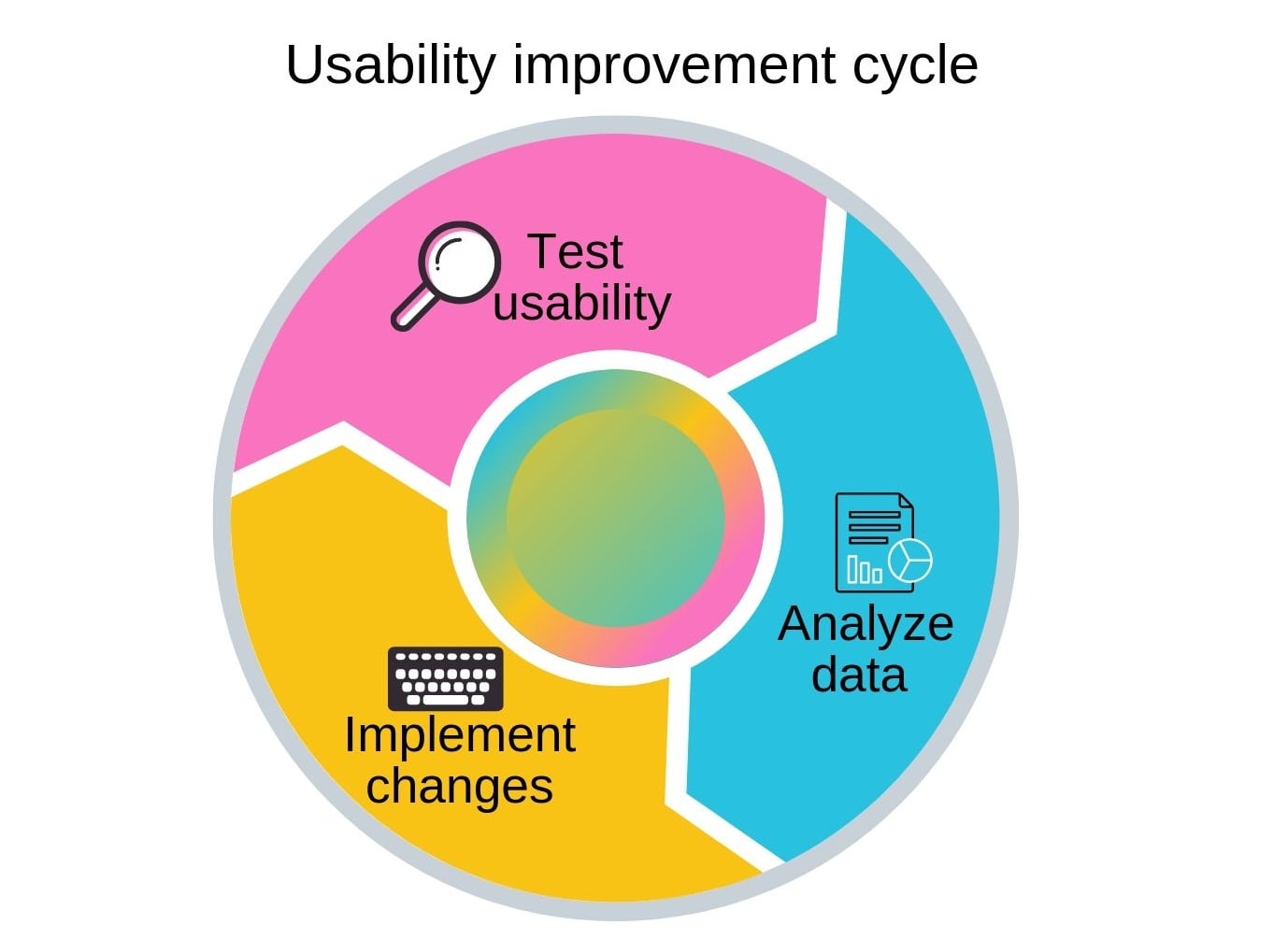
Measuring usability is crucial for understanding how effectively users interact with your website or application. To begin, consider using tools such as Google Analytics to track user behavior, including page views, bounce rates, and user flow. Additionally, employing usability testing tools like UserTesting or Optimal Workshop can provide valuable insights through user feedback and observation. By combining quantitative data from analytics with qualitative insights from user testing, you can develop a comprehensive view of your site's usability.
Another effective technique is conducting surveys or interviews with users after they interact with your site. This can be achieved through tools like SurveyMonkey or Typeform, where you can ask users to rate their experience and provide suggestions for improvement. Furthermore, incorporating A/B testing can help you evaluate different designs or features, allowing you to identify which versions yield better usability outcomes. Ultimately, leveraging these tools and techniques will set the foundation for measuring usability and enhancing user satisfaction.