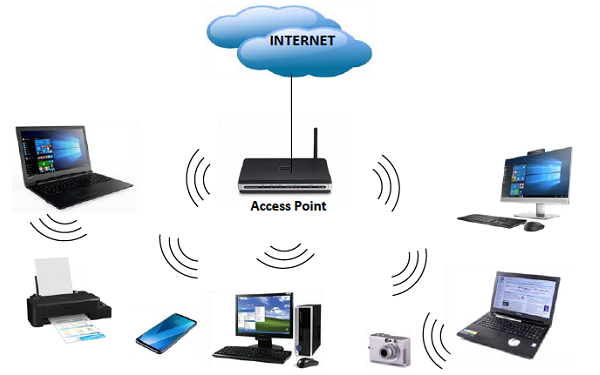
Exploring the Technology Behind Wireless Communication
Wireless communication is a technology that allows data transfer between devices without the need for physical connections like wires or cables. This technology has revolutionized the way we connect, enabling the use of smartphones, tablets, and various other digital devices. At the core of wireless communication are several key components, including radio waves, which facilitate the transmission of information through the air. Utilizing modems, antennas, and transceivers, digital data is converted into radio signals that can transmit over varying distances, making it essential for both personal and business communications.
Several standards and technologies underpin wireless communication, including Wi-Fi, Bluetooth, and cellular networks. Each of these technologies operates on different frequencies and protocols, allowing for efficient and effective communication in diverse environments. For example, Wi-Fi uses 2.4 GHz and 5 GHz bands to provide internet access over short distances, while Bluetooth allows for short-range data exchange between devices like headphones and smartphones. Understanding these technologies is crucial for anyone looking to harness the power of wireless communication in today's connected world.
If you're looking for quality sound without breaking the bank, consider checking out the Top 10 budget earbuds. These earbuds offer a great balance of performance and affordability, making them perfect for daily use. From noise isolation to comfort, you can find options that suit your personal preferences.
The Impact of Wireless Connectivity on Daily Life
The advent of wireless connectivity has fundamentally transformed our daily lives, reshaping how we communicate, work, and access information. With the ability to connect devices without physical limitations, individuals can stay in touch with loved ones and colleagues at any time and from virtually anywhere. This seamless connectivity has not only improved personal relationships but has also enhanced productivity, allowing professionals to collaborate with teams across the globe instantly. As a result, wired connections have become increasingly obsolete in many sectors, giving way to the superior flexibility and efficiency offered by wireless networks.
Moreover, wireless technology facilitates a myriad of online services that have become integrated into our routines. From streaming entertainment to managing smart home devices, the convenience of being connected wirelessly enables users to control their environments with ease. For instance, a simple voice command can adjust the thermostat, turn off lights, or even order groceries, demonstrating how **wireless connectivity** has enhanced comfort and efficiency in everyday life. As we continue to embrace these technological advancements, it's clear that **wireless solutions** will play a pivotal role in shaping the future of our interactions and lifestyles.
How Do Wireless Networks Enhance Our Productivity?
Wireless networks have revolutionized the way we work by providing unparalleled flexibility and convenience. With the ability to connect to the internet without needing physical cables, employees can access necessary tools and information from various locations within an office or even remotely. This level of mobility allows for seamless collaboration, as teams can easily share files and communicate in real-time, enhancing overall productivity. Additionally, by eliminating the clutter of cables, workspaces can be organized more effectively, leading to a more conducive environment for focus and creativity.
The integration of wiresless networks with cutting-edge technologies like cloud computing and mobile devices further empowers individuals to work efficiently. For instance, team members can participate in video conferences, utilize cloud-based project management tools, and access shared resources, all while on the go. This means that critical tasks can be completed faster and with greater accuracy, regardless of the location. As businesses continue to embrace this technology, they find that their teams are not only more productive but also more engaged, as they can work in environments that suit their personal needs.