Maximize Efficiency: How Charging Stations Can Streamline Your Daily Routine
In today's fast-paced world, maximizing efficiency is essential for anyone looking to streamline their daily routine. One of the most effective tools at your disposal is the use of charging stations. These dedicated spaces allow you to power up multiple devices simultaneously, eliminating the time wasted searching for available outlets or dealing with tangled cords. By incorporating charging stations into your workflow, you can ensure that your phone, tablet, and laptop are always ready to go, allowing you to focus on what truly matters – your productivity.
Moreover, the benefits of charging stations extend beyond mere practicality. When properly organized, these stations can create a designated area for your gadgets, reducing clutter and distractions. This intentional setup can improve your overall efficiency by helping you maintain a clear workspace. As a result, you’ll find yourself more focused and less prone to procrastination. Consider these tips to maximize your charging stations:
- Choose a central location for easy access.
- Label cords to reduce confusion.
- Incorporate wireless charging options for added convenience.
Counter-Strike is a popular tactical first-person shooter game that pits teams of terrorists against counter-terrorists in various objective-based missions. Players can choose from a wide array of weapons and equipment, making strategy and teamwork essential for victory. For gamers looking to enhance their setups, consider checking out the Top 10 Desk Charging Stations to keep your devices powered during intense gaming sessions.
Beyond Convenience: Exploring the Environmental Benefits of Charging Stations
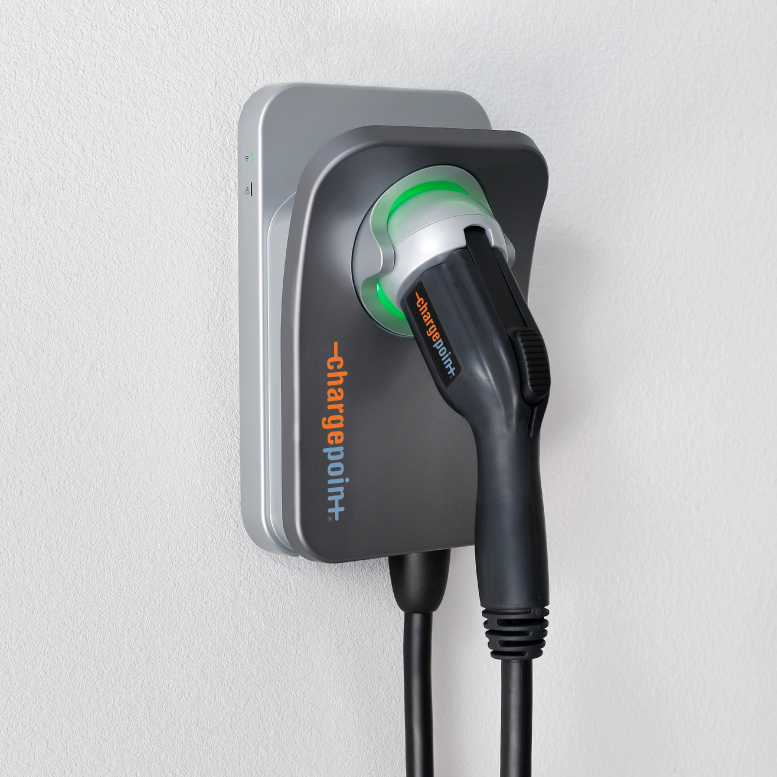
As electric vehicles (EVs) continue to gain popularity, charging stations play a pivotal role in transforming our transportation landscape. Beyond their evident convenience, these stations contribute significantly to environmental sustainability. They facilitate a shift away from fossil fuels, reducing greenhouse gas emissions that contribute to climate change. By replacing gas-powered vehicles with electric alternatives, we can enhance air quality and reduce the urban heat island effect, which occurs when cities absorb and retain heat. In fact, studies show that widespread EV adoption could lead to up to a 60% reduction in emissions from the transportation sector by 2050.
Additionally, the integration of renewable energy sources into the charging station infrastructure can further amplify these environmental benefits. Many charging stations are now being designed to utilize solar panels or wind energy, transforming them into sustainable energy hubs. This not only reduces reliance on non-renewable resources but also encourages the development of clean energy technologies. Consequently, communities can shift towards a more resilient and sustainable energy future. By investing in charging stations, we are not just enhancing convenience for EV drivers; we are also making a meaningful commitment to protecting our planet for future generations.
Are Charging Stations the Future of Powering Your Devices?
As our reliance on electronic devices grows, the demand for convenient and efficient charging solutions intensifies. Charging stations have emerged as a promising innovation, offering users a centralized location to power up their gadgets, whether in public spaces or at home. These stations often accommodate multiple devices simultaneously, allowing for faster and more efficient charging. Additionally, the accessibility of charging stations encourages users to confidently utilize their devices throughout the day, knowing they can quickly recharge when low on battery.
Moreover, charging stations are increasingly integrating advanced technologies such as wireless charging and renewable energy sources, further enhancing their appeal and sustainability. For instance, many stations now harness solar energy to power themselves, making them eco-friendly alternatives to traditional outlets. As we move towards a future that prioritizes sustainability and connectivity, it’s clear that charging stations are not just a trend but a vital infrastructure that will shape the way we power our devices. In the coming years, we can expect to see a significant rise in the number and accessibility of these stations, solidifying their role as the future of powering our electronic devices.