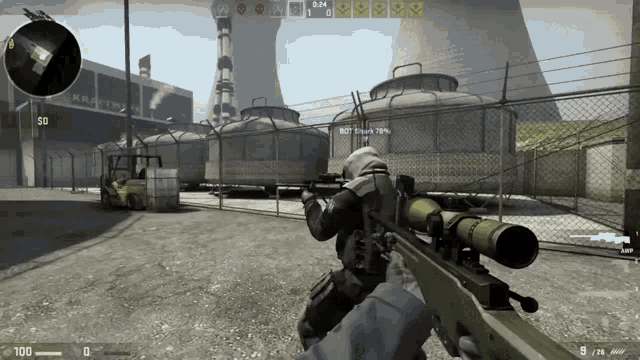
The Psychological Impact of Friendly Fire: How It Affects Team Dynamics in CSGO
In the competitive landscape of CSGO, the phenomenon of friendly fire can have significant psychological ramifications on players. When teammates accidentally inflict damage on one another, it can lead to feelings of guilt and frustration, and can quickly disrupt the flow of the game. Players might experience an increase in anxiety, worrying about their performance and the reactions of their teammates. This emotional burden can create a toxic atmosphere, where blame is assigned, and trust erodes, impacting overall team dynamics.
Moreover, the psychological impact of friendly fire extends beyond individual players. It can alter communication patterns, leading to hesitancy in coordination and strategy execution. Teams may become overly cautious, reducing their effectiveness during critical game moments as players second-guess their actions. This creates a cycle of negativity that can diminish morale and undermine the very essence of teamwork, which is crucial for success in CSGO. Effective communication and psychological resilience are essential to combat these challenges and foster a supportive team environment.
Counter-Strike is a popular tactical first-person shooter game that emphasizes teamwork and strategy. Many players seek advice on how to rank up in csgo to improve their skills and climb the competitive ladder.
Top 5 Tips to Avoid Friendly Fire Incidents with Your Teammates
In the heat of battle, avoiding friendly fire incidents can be a challenging task for any team. Here are the top 5 tips to help minimize the risk of hitting your own teammates:
- Communication: Always keep an open line of communication with your teammates. Use voice chat or messaging tools to call out your position and alert others of your actions.
- Situational Awareness: Stay aware of your surroundings and the positions of your teammates. Regularly check your mini-map or HUD to ensure you don’t fire into a group of allies.
Continuing with our top tips, here are three more essential strategies to prevent those regrettable moments:
- Designate Roles: Clearly define roles for each team member. Knowing who is designated as an attacker and who is providing support can reduce confusion.
- Utilize Markers: Make use of any available markers or signals to identify teammates. This visibility can be vital, especially in chaotic scenarios.
- Practice and Review: Conduct practice sessions where the team can work on coordination. After matches, take time to review any close calls or incidents to learn from mistakes.
Friendly Fire Fails: Epic Moments Where Your Ally Became Your Adversary
In the chaotic realm of online multiplayer games, Friendly Fire Fails have become a source of humor and frustration alike. These epic moments often stem from miscommunication or hasty decisions, transforming allies into unexpected adversaries. Imagine a scenario where your teammate, in a moment of panic, discharges a weapon, only to inadvertently eliminate you just before a critical objective is secured. Such instances not only lead to hilarious memes but also teach valuable lessons about the importance of teamwork and communication in high-stakes environments.
From first-person shooters to battle royale games, Friendly Fire Fails are woven into the fabric of gaming culture. Players recount stories of misfired grenades, an ill-timed sniper shot, or even friendly vehicle collisions that turned a strategic assault into a tragicomic disaster. These moments remind us that even in the most serious of battles, a little levity is just a misfire away. The next time you find yourself in a heated gaming session, remember that the greatest threats can sometimes come from within your own team.