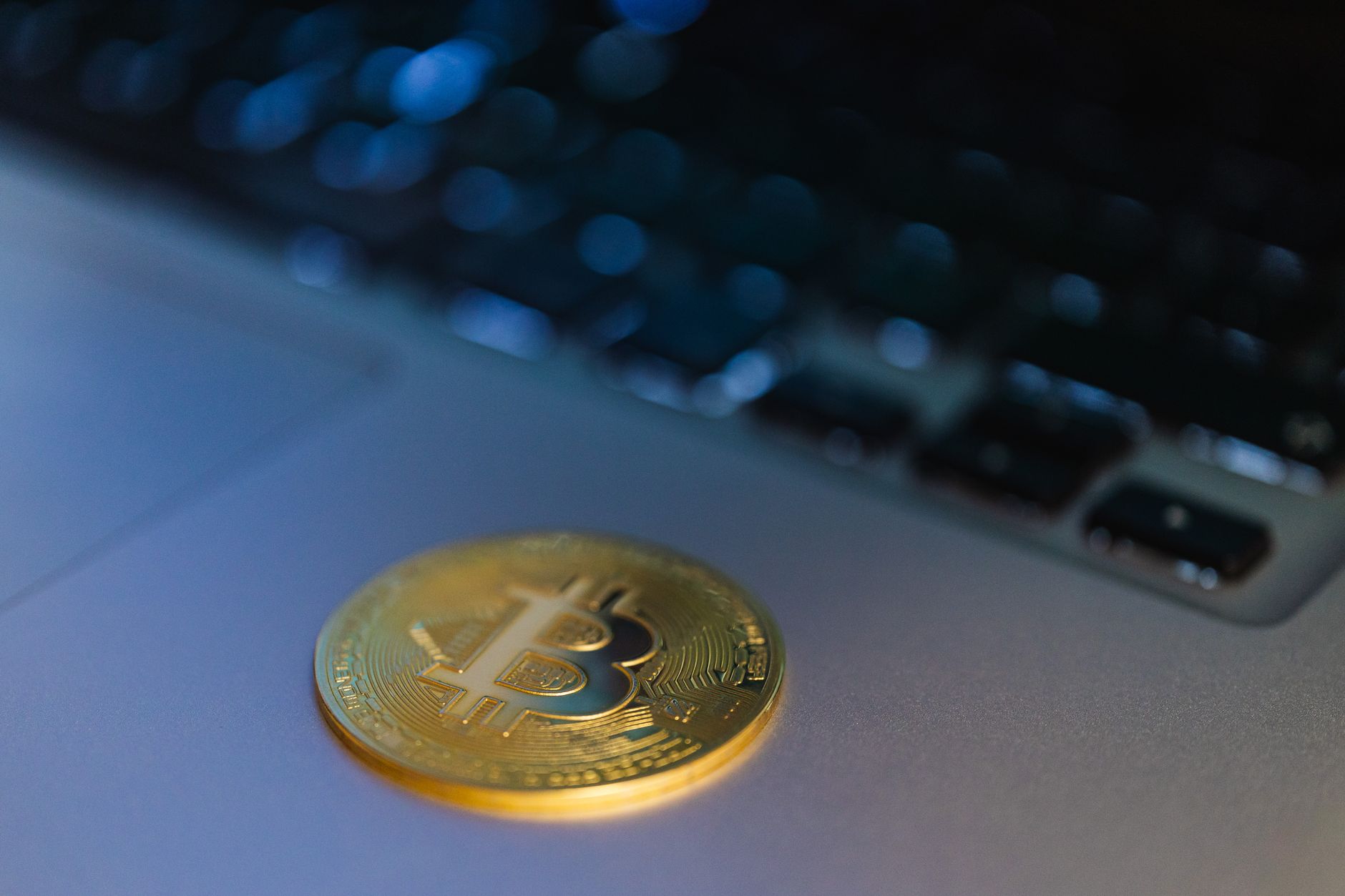
Understanding Your Crypto Deposit Options: From Wallets to Blockchains
When you initiate a crypto deposit, you're essentially orchestrating a transfer of digital assets from one location to another. This journey often begins within your personal crypto wallet, which could be a hardware wallet (like Ledger or Trezor), a software wallet (such as MetaMask or Trust Wallet), or an exchange-provided wallet. The crucial element here is your wallet address – a unique identifier that acts like a bank account number for your specific cryptocurrency. Understanding the type of wallet you're using and its security features is paramount, as this is where you maintain control over your private keys, the cryptographic proof of ownership for your funds. Always double-check the recipient address before confirming any transaction, as crypto transfers are irreversible.
Once you've specified the amount and the recipient address, your transaction is broadcast to the relevant blockchain network. This distributed ledger system, like Bitcoin's or Ethereum's, is where all cryptocurrency transactions are recorded and validated by a network of participants (miners or validators). Each block on the blockchain contains a set of verified transactions, and once your deposit is included in a block and sufficiently confirmed, it's considered complete and immutable. The number of confirmations required can vary depending on the cryptocurrency and the receiving platform, impacting the overall speed of your deposit. Factors like network congestion and transaction fees also play a significant role in how quickly your funds arrive and become available for use.
CryptoCasino.com is a pioneering online gaming platform that combines the thrill of traditional casino games with the security and anonymity of cryptocurrency. Players can enjoy a wide range of games, from slots to live dealer experiences, all while transacting with digital currencies. Visit CryptoCasino.com to explore the future of online gambling.
Mastering the Deposit Process: Troubleshooting Common Issues & Maximizing Your Funds
Navigating the deposit process can sometimes present unexpected hurdles, but with a strategic approach, you can effectively troubleshoot common issues and ensure your funds are processed smoothly. A frequent problem involves incorrect account details; always double-check routing and account numbers before initiating a transfer. Another common snag is hitting daily or transactional deposit limits, especially with newer accounts or specific payment methods. If a deposit is pending longer than expected, first consult your bank's transaction history and then contact the recipient institution's support. They can often provide insights into delays caused by verification processes or internal system checks. Keeping records of your transaction IDs and communication with support can significantly expedite issue resolution.
Beyond troubleshooting, proactive measures can significantly maximize your funds and streamline future deposits. Explore various deposit methods offered by your chosen platform; some options, like direct bank transfers, might offer higher limits or lower fees compared to credit card transactions. Consider setting up recurring deposits for consistent growth, often with the added benefit of avoiding individual transaction fees. Furthermore, understanding the typical processing times for different methods can help you plan accordingly and avoid unnecessary anxiety. Always review the terms and conditions related to deposits, especially regarding potential bonuses or promotional offers, as these often come with specific deposit requirements that, if overlooked, could prevent you from maximizing your financial benefits.